
Event information
During the volatile period of the international urea supply chain, Nova Materials Technology analyzes market trends and responds
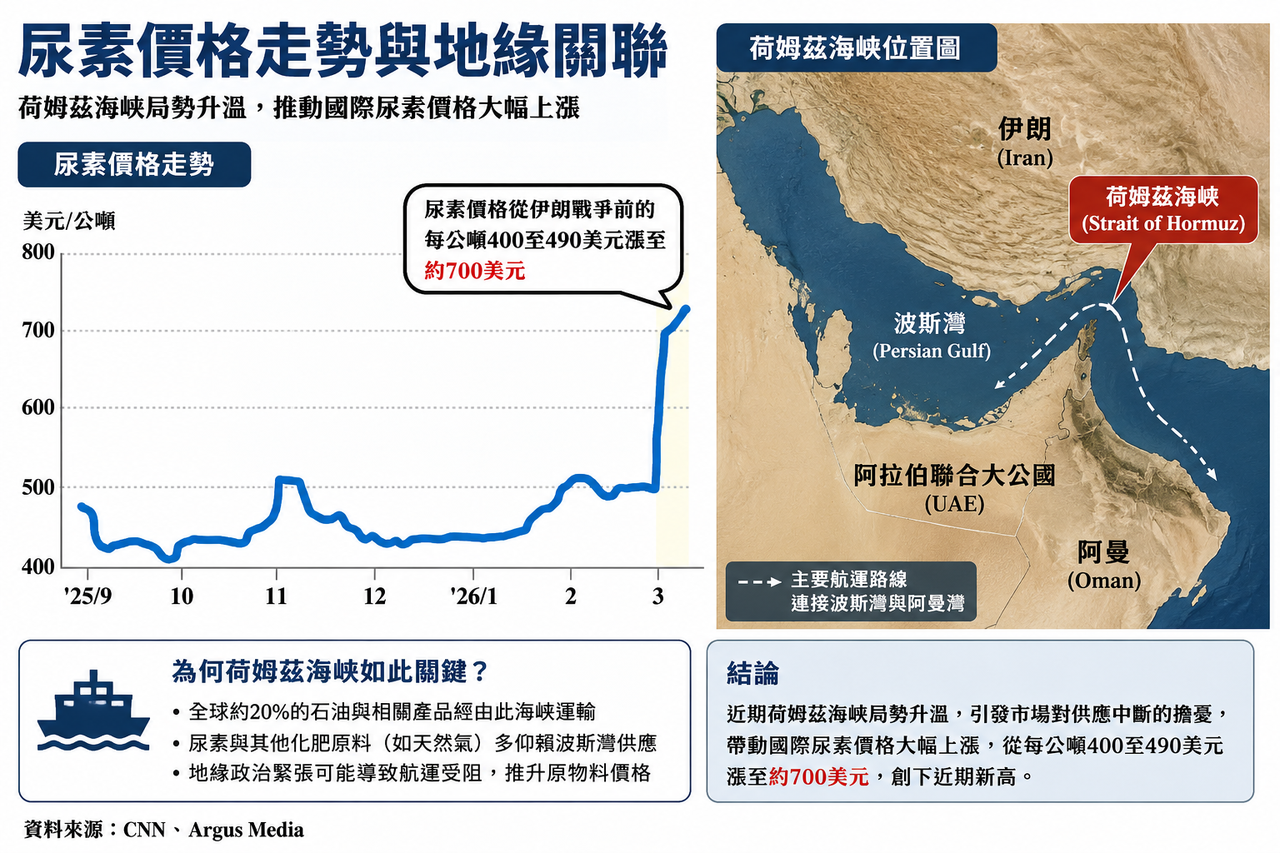
Changes in the international situation have affected the global urea market. Nova Materials Technology/Provided
Affected by global energy markets and geopolitical fluctuations, recent developments in the international urea market have attracted industry attention. According to international media reports, India’s latest round of imported urea quotations has reached US$935 to US$959 per ton, reflecting that the international supply and demand chain is in a period of change. This wave of growth not only affects the agricultural raw material market, but also puts application industries such as transportation, shipping, and industrial environmental protection under cost pressure, and subsequent trends have attracted much attention.
International energy shocks heat up, pushing up urea supply chain costs
"Nova Materials Technology", which has been deeply involved in the field of environmentally friendly materials for a long time, analyzed this trend. This wave of price increases is related to a number of factors, including geopolitical tensions in the Middle East and rising regional conflicts, which have driven energy market fluctuations and increased shipping risks. In addition, increased global agricultural demand, adjustments to export policies in some countries, and rising international logistics and shipping costs have further pushed up the price trend of urea. Since urea production is highly linked to energy prices, especially natural gas, which is an important source of raw materials and process costs, fluctuations in the energy market will also affect changes in urea quotations. Coupled with the fact that the global supply chain has continued to face route adjustments and regional policy changes in recent years, the market has become more uncertain in terms of price and delivery, which has also made corporate procurement planning face higher challenges.
Taiwan is highly dependent on imports and many industries face cost challenges
Nova Materials Technology pointed out that Taiwan relies heavily on imports for its urea supply. When the international market rises, it will directly affect the operating costs of downstream industries. In addition to agricultural uses, urea is also widely used in the field of environmental protection and emission reduction, such as automotive urea (AdBlue) used in diesel vehicles, marine urea (AUS40) used in ships, and SCR denitrification systems common in industry. They all reduce nitrogen oxide emissions through related technologies and are important materials for modern emissions management. Therefore, related industries such as logistics and transportation, shipping, manufacturing, industrial boilers and environmental protection engineering may all face the dual pressure of increased procurement costs and supply uncertainty. For companies that require stable supply of materials and long-term operation planning, drastic fluctuations in raw material prices will further affect cost control and order evaluation.
With the continuous advancement of environmental protection regulations and the stable demand for emission reduction, urea is not only a raw material, but also an indispensable and important resource in many emission management applications. Founder Yang Lianzhi said, "We will continue to pay attention to changes in the global energy market and supply chain, and hope to help partners adapt to market changes through forward-looking supply planning and material management." Nova will accompany companies to respond to market fluctuations and jointly move towards a more sustainable green future.
Source:economic daily