
Event information
Environmental Protection Department Air Safety Office explains the effectiveness of air quality improvement on 5/15
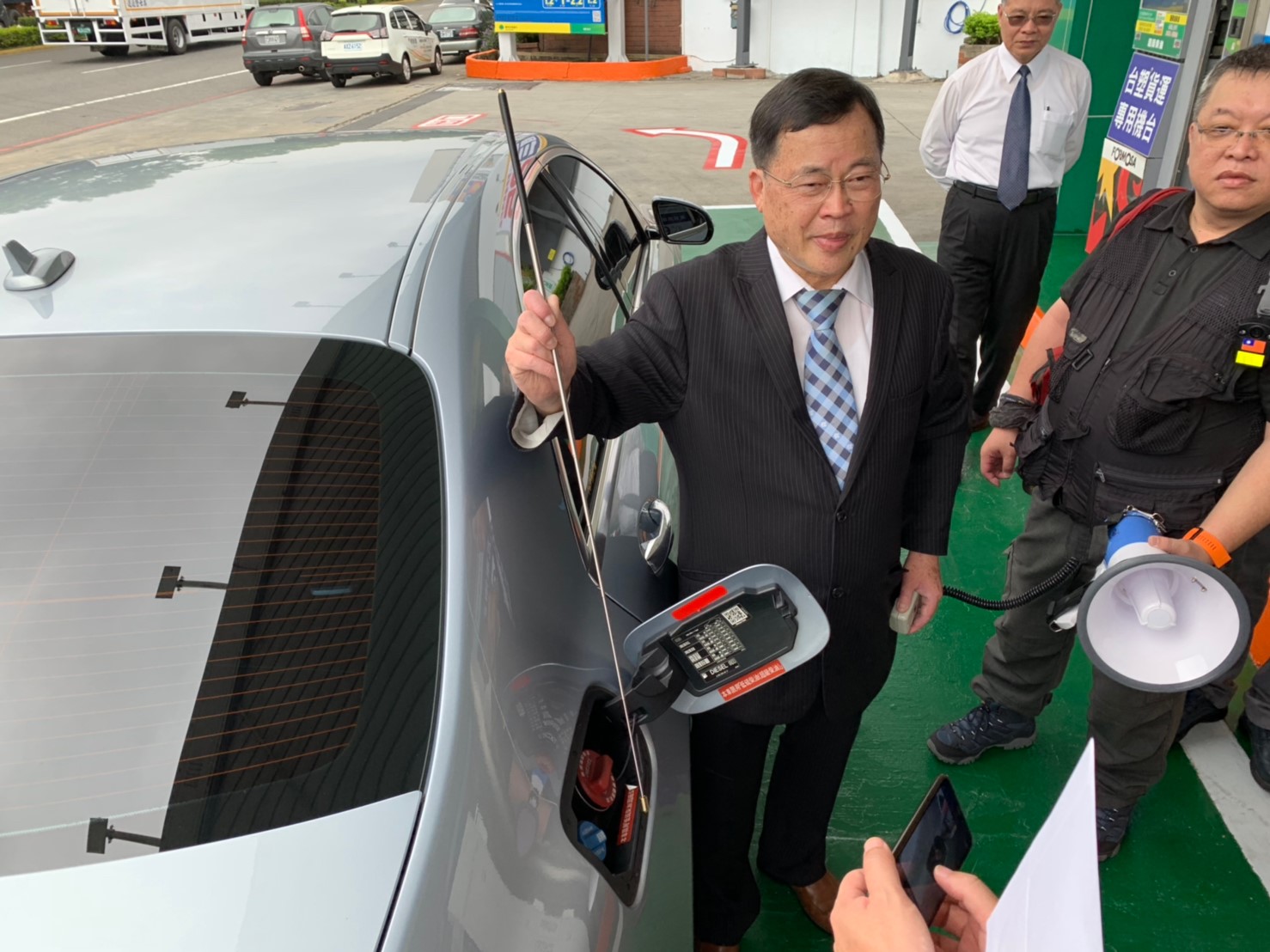
The Environmental Protection Agency's Air Safety Office held a briefing on reducing nitrogen oxide (NOx) emissions and improving air quality at the Linkou South Station of Taiya gas station on May 15. Wu Shengzhong, director of the Air Safety Office, personally explained the results of the implementation on site. Quanfeng Motors provided a newly factory-installed large-scale diesel vehicle demonstration vehicle with selective reduction catalyst (SCR) and I-Depot filling equipment, and Nova Materials Technology provided automotive urea products.
Wu Shengzhong said that large mobile diesel vehicles are one of the main sources of nitrogen oxides. In order to improve their pollution, the Environmental Protection Agency implemented the fifth emission standard on January 1, 2019, tightening the NOx standard by 52%, prompting large diesel vehicles to be equipped with Selective Catalytic Reduction (SCR) and combined with urea water reducing agent to reduce harmful NOx into harmless nitrogen and water. In addition, in the stationary source sector, the Environmental Protection Agency has been promoting measures such as tightening nitrogen oxide (NOx) emission standards for thermal power plants and steam-electricity symbiosis equipment boilers in factories in various industries since 100, and requires operators to install SCR or SNCR (Selective Non-Catalytic Reduction, SNCR) to reduce their NOx emission concentration to comply with emission regulations.
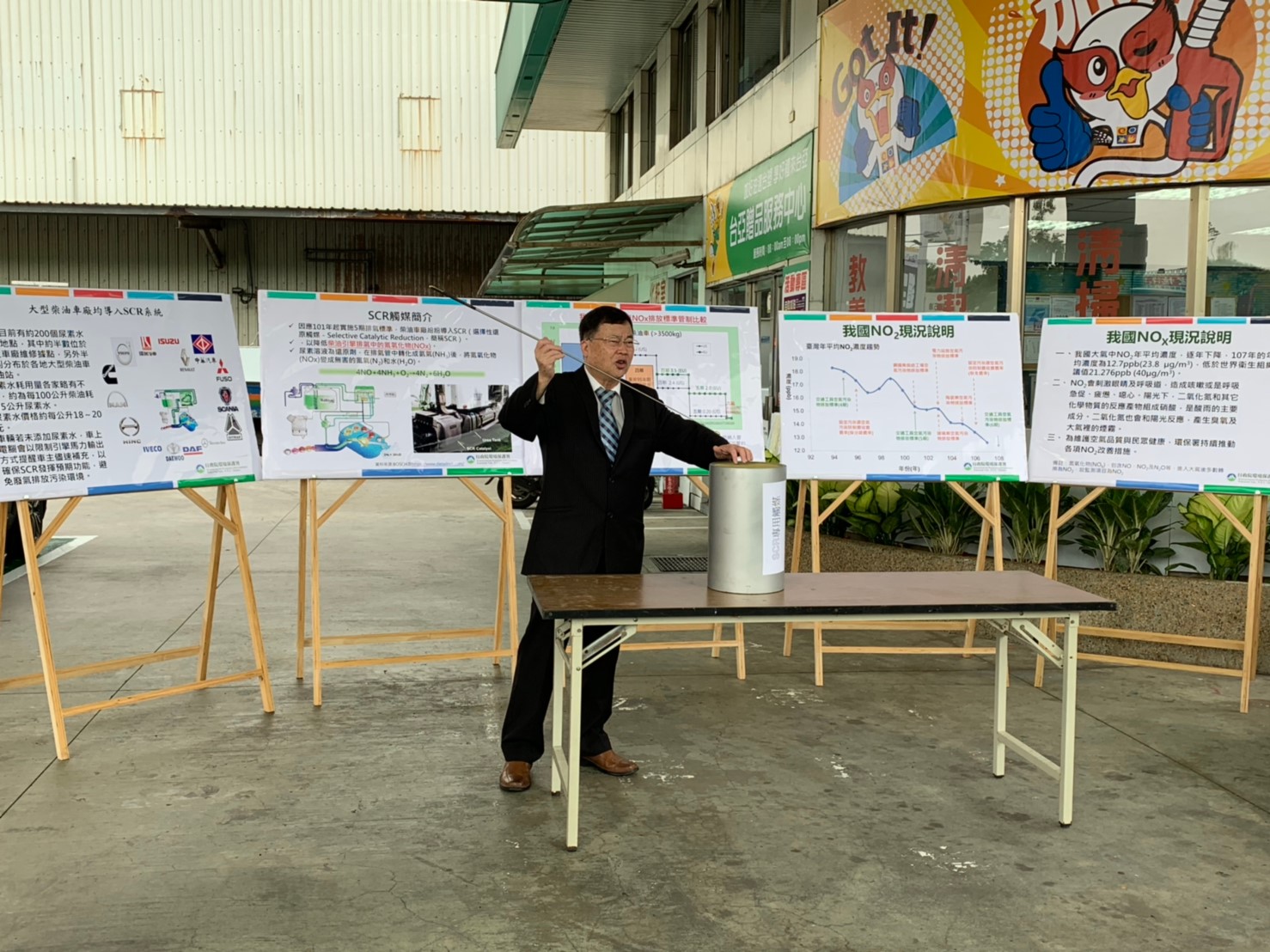
Wu Shengzhong also pointed out that nitrogen oxides can easily cause asthma, so since July 1976, the first phase of emission standards for diesel vehicles has been implemented, and the standards have been raised year by year to reduce the concentration of nitrogen oxides in the air. According to the Environmental Protection Agency, nitrogen dioxide concentration has been reduced by 24.2% since 1998. Last year's concentration was 12.70 ppb, which is far lower than the World Health Organization (WHO) recommended value of 21 ppb. Starting from September, stricter Phase 6 emission standards for diesel vehicles will be implemented, which will completely improve Taiwan's air pollution problem.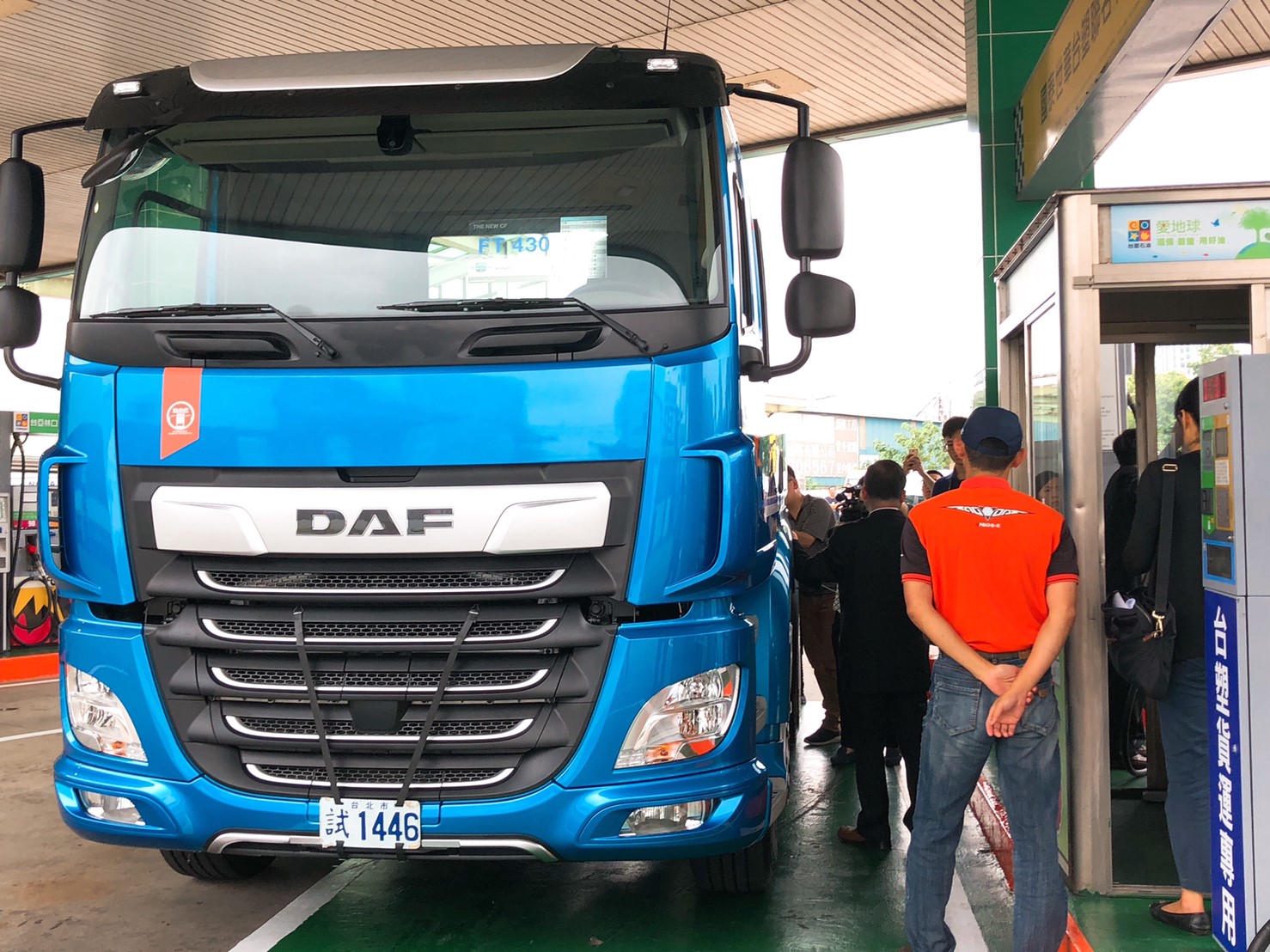
The Environmental Protection Department has actively promoted various air quality improvement measures, which have gradually shown results. By continuing to implement fixed pollution source improvements and strengthening mobile source pollution control measures, my country's annual average concentration of nitrogen dioxide (nitrogen oxides NOX, including NO, NO2 and N2O, etc., is mostly converted into NO2 after entering the atmosphere, so the monitoring item is NO2) has decreased by 24.2% since 1998. The concentration in 2010 was 23.88μg/m3 (12.70 ppb), which is much lower than the World Health Organization’s recommended value of 40 μg/m3 (21 ppb).
.jpg)